

The Bay of Fundy
A Wild Ocean Treasure
CPAWS is encouraging the federal government to speed up action to protect the ocean. This includes adding new marine protected areas (MPAs) in the internationally important Bay of Fundy. We need to ensure protection into the future for this wild ocean treasure.
What’s special about the Bay of Fundy:
-
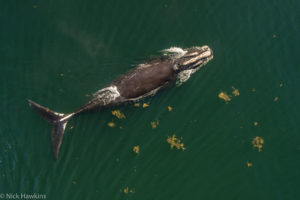
Photo by Steve Reid Over 12 species of whales are drawn to the Bay’s rich upwelling zones, including humpback, fin, and the endangered North Atlantic right whale.
- Millions of shorebirds flock to the salt marshes and mudflats on the Bay of Fundy shores each year on their long migrations, to fatten up on mud shrimp.
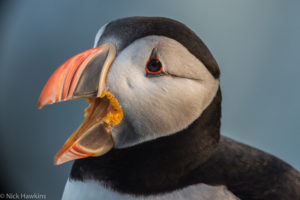
- The Bay is home to 2000+ different kinds of wildlife – 22 are endangered, threatened or of special concern.
- In 2011, the Bay of Fundy was Canada’s only candidate in the global campaign to declare the New 7 Natural Wonders of Nature.
Vitally Important for Coastal Communities
In the southwest corner of the Bay of Fundy are waters so rich with marine life they are called by some locals “the cafeteria of the Bay”. The Bay sustains a bountiful food chain that allows whales, seabirds, fish, and human communities to flourish.
The highest tides in the world combine with peaks and valleys on the seafloor and dozens of small islands to cause swirling upwellings of food and nutrients.
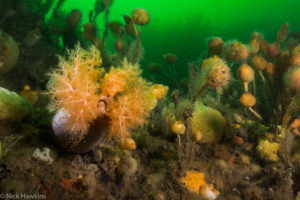
The outer Bay is known for its incredible variety of bottom-dwelling wildlife, from upright sponges, anemones, and sea urchins to cold-water corals.
The middle of the Bay is home to large reefs formed by horse mussels.
Did you know? Only a few horse mussel reefs are known to exist in the world and the Bay of Fundy reefs are the largest.
Corals, sponges and horse mussel reefs protect all kinds of fish and small critters from strong currents and predators. This helps sustain our haddock, flounder, halibut, lobster and herring fisheries.
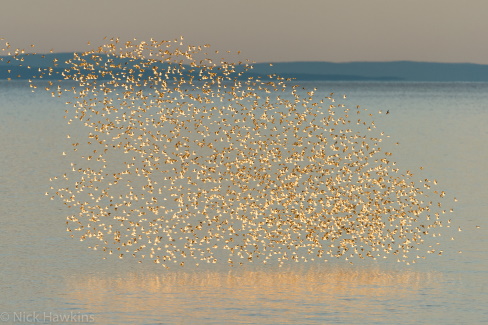
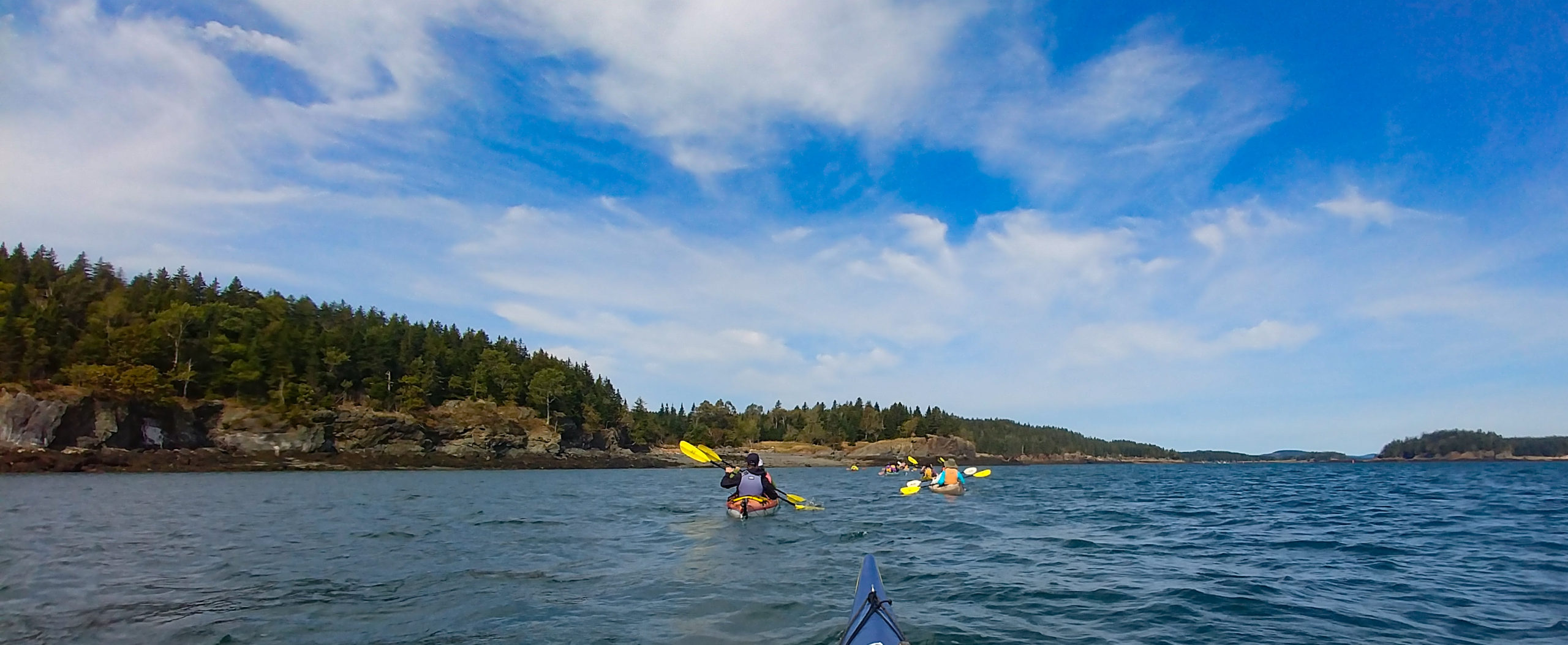
Tourists flock to the Bay of Fundy to encounter majestic whales, marvel at the aerial ballet of swooping sandpipers over the mudflats and trace the paths of seabirds that migrate vast distances to feed in the rich waters. Thousands of jobs and millions in economic activity rely on the Bay’s wealth of ocean life.
It Needs Protection
The Bay of Fundy is facing increasing industrial pressures, such as tidal turbines, large open-net aquaculture pens, increased shipping, and coastal development. Once thriving fisheries for herring, cod and halibut are now remnants of former abundance.
The fishing industry’s main focus are lobsters and scallops, both at risk due to climate changes and increased acidification of ocean waters.
The Bay of Fundy is warming due to climate change faster than other parts of the ocean. These stresses together are threatening the Bay of Fundy’s resilience. They weaken the ability of fish and wildlife to thrive in the Bay.
The benefits of marine protected areas are well studied and clear. The federal government has committed to create networks of MPAs in at least 30% of Canada’s ocean by 2030. Governments need to move faster to create new MPAs.
To help meet that goal, CPAWS wants governments to create a network of MPAs in the Bay of Fundy. This network should include a combination of larger sites in the outer bay and smaller coastal sites near shore.
What is Protected Now
The Bay of Fundy holds a special place in the hearts of Canadians. You might assume that such a magnificent place, supporting so many fishing communities and tourism businesses, would be properly protected. It’s not.
In the whole Bay of Fundy, there is one small coastal MPA, located around the Musquash Estuary in southern New Brunswick.
What We Need to Protect
To protect the ecologically and culturally important areas in the Bay of Fundy, we need MPAs that:
- Protect safe feeding areas for whales, important bird areas, rich mudflats, corals and reefs, and intact estuaries.
- Protect critical food sources for wildlife and people, including fish nurseries.
- Protect areas that are culturally important for Indigenous peoples.
To learn more about areas that CPAWS NB wants protected, check out our Special Marine Areas fact sheet.
Take Action
The federal government has committed to create networks of MPAs in our region. This would help protect an ocean legacy for the Bay of Fundy.
Speak up for the marine areas in the Bay of Fundy that you care about!
In 2024. the Department of Fisheries and Oceans (DFO) asked for public input on the Bay of Fundy Conservation Network Plan. We are still waiting for a government decision about this plan.
- Learn more about the Network Plan